Breaking the Generational Cycle of Abuse: What a Survivor Learned About the Patterns She Was Handed
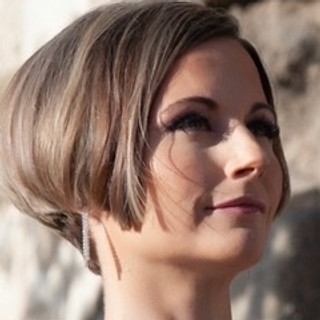
Breaking the generational cycle of abuse begins with naming it, which is harder than it sounds when the patterns you are trying to name are the ones you grew up calling normal. The cycle passes not just through violence but through silence, through untreated pain, through the quiet belief that this is simply how families work. Naming it is the first act of resistance.
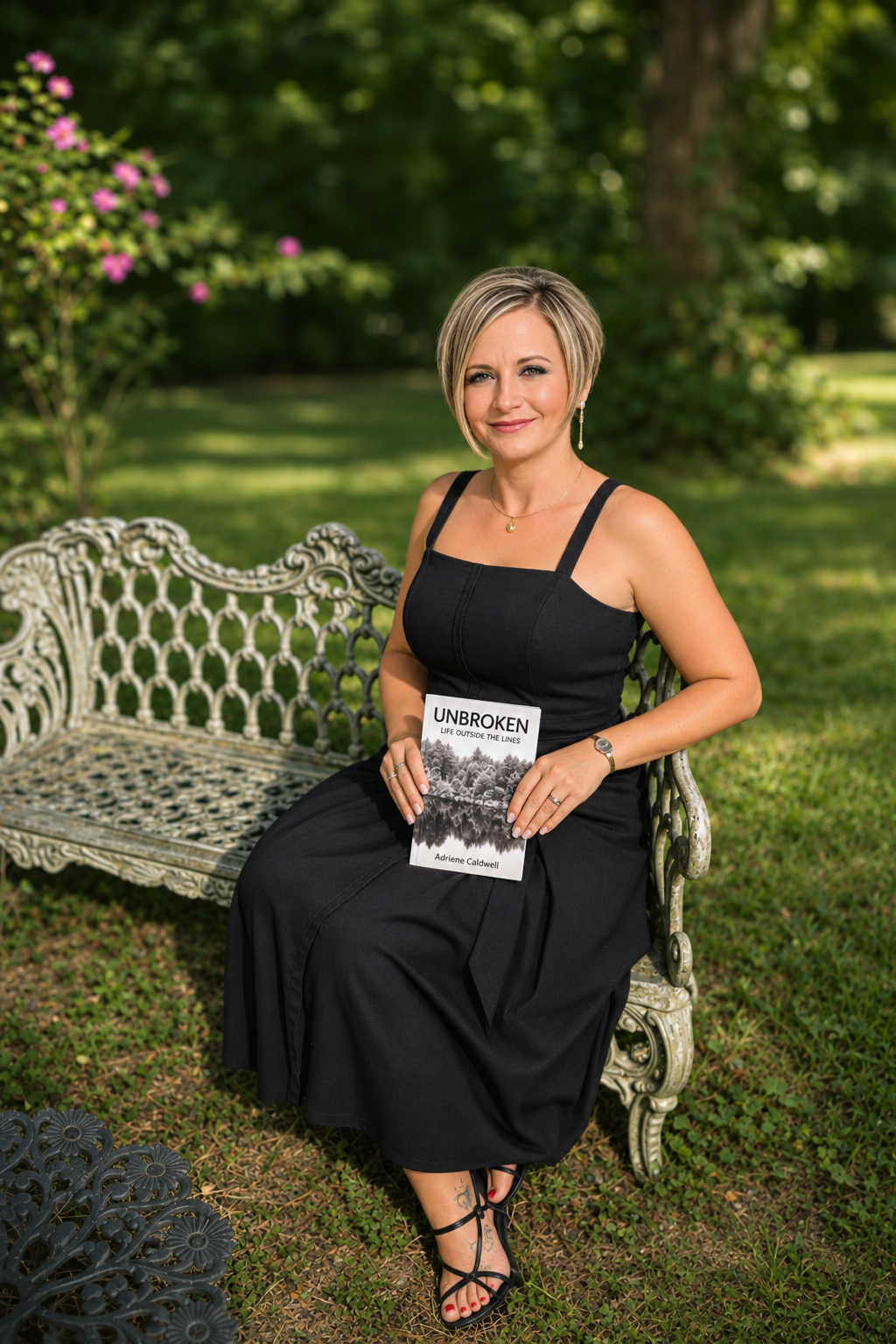
Adriene Caldwell, author of Unbroken: Life Outside the Lines, grew up inside one of those cycles. Her memoir opens, as BookLife/Publishers Weekly describes it, with a gut-wrenching prologue and traces what the review calls "the generational cycle of pain" cast across her childhood by untreated mental illness, physical abuse, and the instability of the foster care system. She did not write the book to perform suffering. She wrote it, in her own words, as "a beacon for anyone still walking in the dark."
What the cycle actually looks like
The generational cycle of abuse is the pattern by which trauma, unaddressed, shapes the people it touches, who then carry those shapes into the next generation. It does not require that every person who was harmed becomes harmful. It works more quietly than that: in the ways people learned to manage fear, to read a room, to stay small or to control, to reach for someone who feels familiar even when familiar has always meant dangerous.
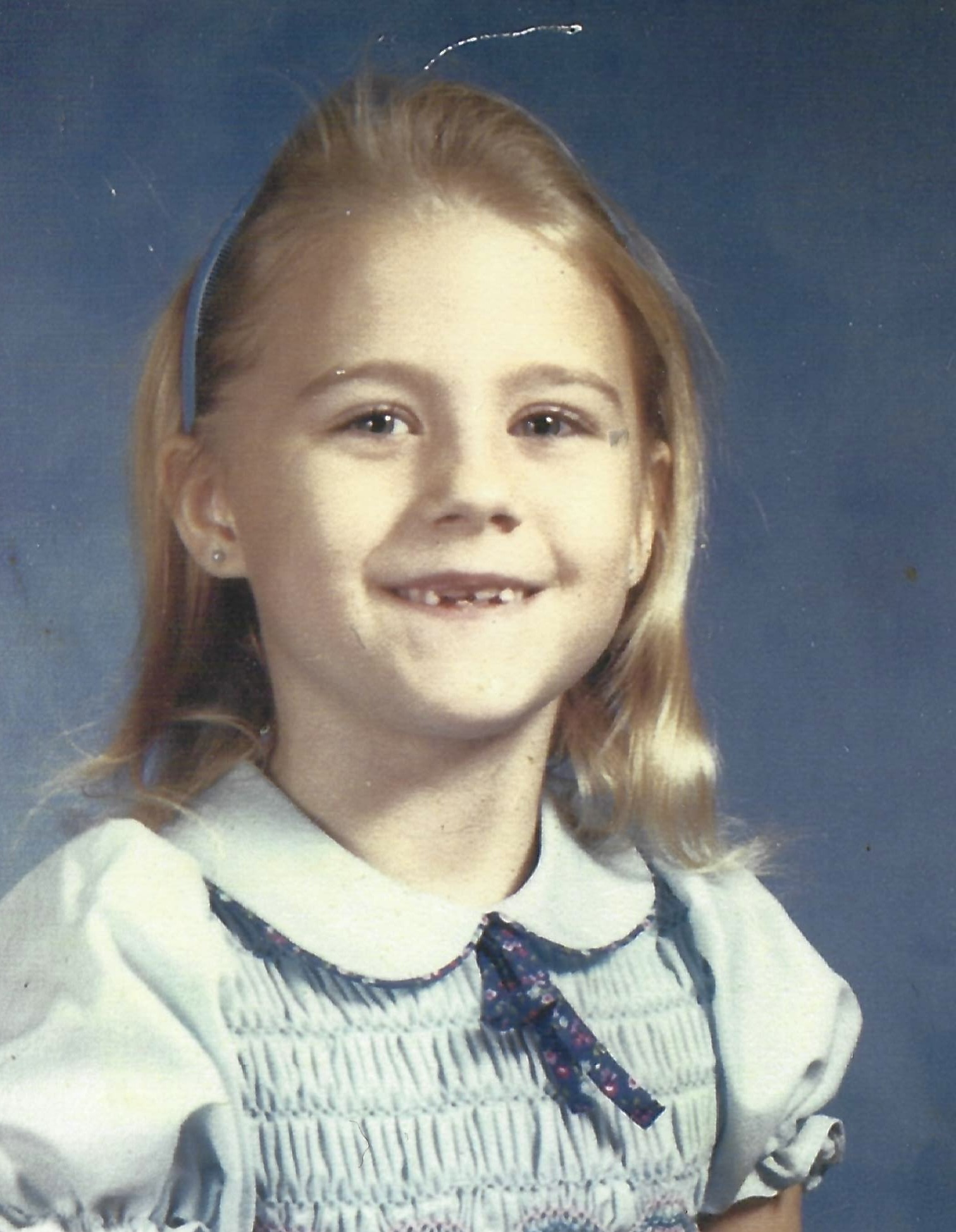
In Unbroken: Life Outside the Lines, Adriene Caldwell traces her mother's untreated mental illness as a force that distorted her entire childhood. Her mother's condition was not chosen, but it was also not treated, and that gap between the harm and the help is exactly where cycles live. Adriene became a protector for her younger brother Joshua from a very early age, absorbing a role that no child should carry. That role, that hypervigilance, that instinct to manage other people's pain before your own, does not simply switch off when the childhood ends.

Why understanding the pattern matters more than assigning blame

One of the things Adriene's story makes clear is that understanding the cycle is not about excusing the people who caused harm. Her memoir does not flinch from the abuse she survived, and BookLife/Publishers Weekly notes that it spares no reader from its most disturbing truths. But Caldwell crafts, in the reviewer's words, "a narrative of meaning and reclamation" rather than one fixed on blame. That distinction matters for anyone trying to break the cycle, because blame tends to keep you inside the story, while understanding gives you the distance to choose something different.
Survivors who want to make sense of their own trauma history often find that the clearest path forward starts with seeing how the patterns connect across generations. What your parent could not regulate in themselves, they could not model for you. What they could not name, they passed on through behavior instead. Seeing that chain does not reduce your pain, but it does change the question from "what is wrong with me" to "what was handed to me, and do I want to keep carrying it."
Signs the cycle may still be running
Breaking a generational pattern requires seeing it first. The following are common signs that childhood trauma may still be shaping adult life, offered not as a diagnosis but as a starting point for reflection.
Relationships that feel urgent or electric at the start, then quickly become unstable or unsafe
A strong compulsion to caretake others, even at significant cost to yourself
Difficulty trusting people who are consistently kind, while feeling drawn to people who are unpredictable
Numbing, dissociation, or a sense of going through the motions rather than actually living
A fear that becoming a parent will make you repeat what was done to you
Shame that feels like a permanent fact about you rather than a response to what happened
What choosing differently actually involves
Breaking the cycle is not a single decision. It is a series of smaller ones, made over time, often against the pull of everything familiar. For Adriene Caldwell, the arc from childhood trauma to a stable, joyful life in Houston, married, and the mother of a daughter she describes with unmistakable warmth, is not a story about one transformative moment. It is the kind of hope that has weight precisely because it is rooted in real survival rather than easy resolution.
Practically, choosing differently tends to involve a few consistent things: finding language for what happened (which therapy, writing, or reading other people's honest accounts can help with), building at least one relationship where safety is not conditional, and learning to tolerate the discomfort of doing things differently from how you were raised. That last one is underestimated. When the new behavior feels wrong or foreign, that feeling is not a signal that you are failing. It is often a signal that you are changing.

A note on reading other survivors' stories

One thing that often goes unmentioned in clinical resources on the generational cycle is the particular value of reading a memoir written from inside it. Research papers can explain the mechanism. A lived account can make you feel less alone in a way that changes something at a different level. Reader Salisa Brown put it plainly after reading Unbroken: "This gives hope to people in the same situation." Another reader, Priscillah Bancy, described reading it as inhaling the book, adding that it left her jaw on the floor because "no one would want to believe that life can be this cruel," and yet the story is undeniably real.
That sense of recognition, of seeing your own experience reflected without softening, is part of what makes survivor memoirs a useful companion to any therapeutic or educational work on trauma. They do not replace professional support, but they can reach a place that a workbook or a diagnosis alone does not. For social work students or future foster parents, they also offer something a textbook rarely gives: the texture of what the cycle feels like from inside a child's perspective.
How does childhood trauma affect relationships in adulthood?
Childhood trauma shapes the nervous system during the years when it is still learning what the world is. A child who grew up in an unpredictable or unsafe environment learns to read threat signals constantly, to appease, to disappear, or to fight. Those strategies were rational responses to real danger. In adulthood, they tend to persist long after the original danger has passed, surfacing as anxiety in close relationships, difficulty with conflict, a pattern of choosing partners who feel familiar in ways that are not always healthy, or a deep discomfort with being cared for.
The connection between childhood trauma and adult relationships is not a character flaw. It is the nervous system doing what it was trained to do. Understanding that distinction, that these are learned responses rather than fixed traits, is one of the first places where change becomes possible. For many survivors, that understanding arrives through therapy, but it can also arrive through reading an account that maps the same journey honestly, the way Unbroken: Life Outside the Lines by Adriene Caldwell does.
How does childhood trauma affect romantic relationships?
Romantic relationships tend to be where childhood trauma becomes most visible, because intimacy asks for exactly the things trauma made dangerous: trust, vulnerability, and the belief that another person will not leave or hurt you. For survivors of childhood abuse or neglect, a relationship that is genuinely safe can feel, at least at first, unsettling. Conflict may trigger a fear response far larger than the situation warrants. A partner's absence may activate an old panic. Closeness itself can feel like exposure.
This is not inevitable, and it is not permanent. Many survivors build stable, loving partnerships, as Adriene Caldwell's own life reflects. What tends to help is the same thing that helps with the broader cycle: naming what is happening, understanding where it came from, and finding, carefully, people worth practicing safety with.

Comments