Trauma Informed Foster Care Training: What a Former Foster Child Wishes Every Foster Parent Understood

Trauma informed foster care training teaches prospective carers how the system works, what paperwork to file, and which behaviors to expect. What it often does not teach is how a child in survival mode actually experiences a new home, and what a carer's ordinary actions look like through that child's nervous system. That gap is not a small one.
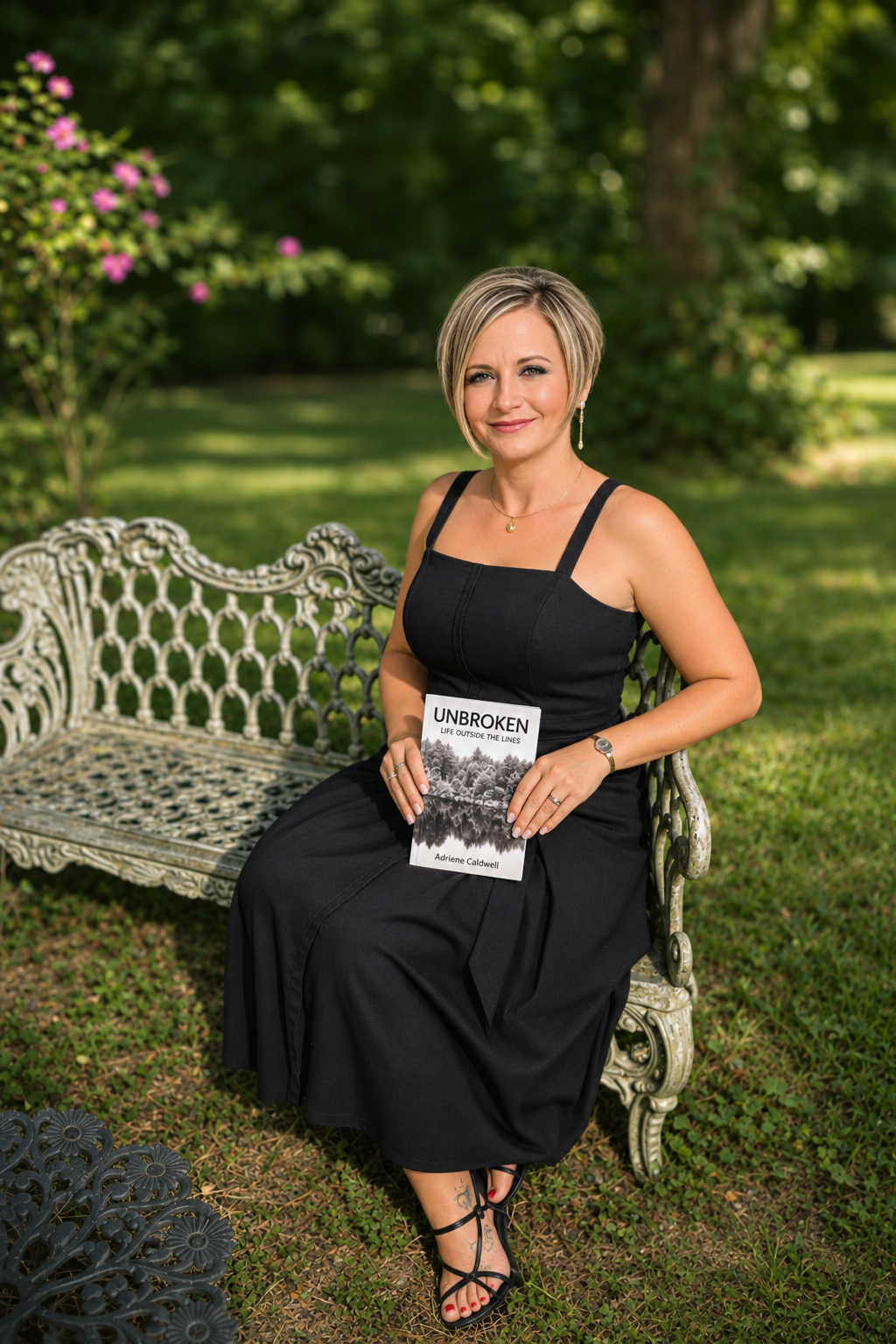
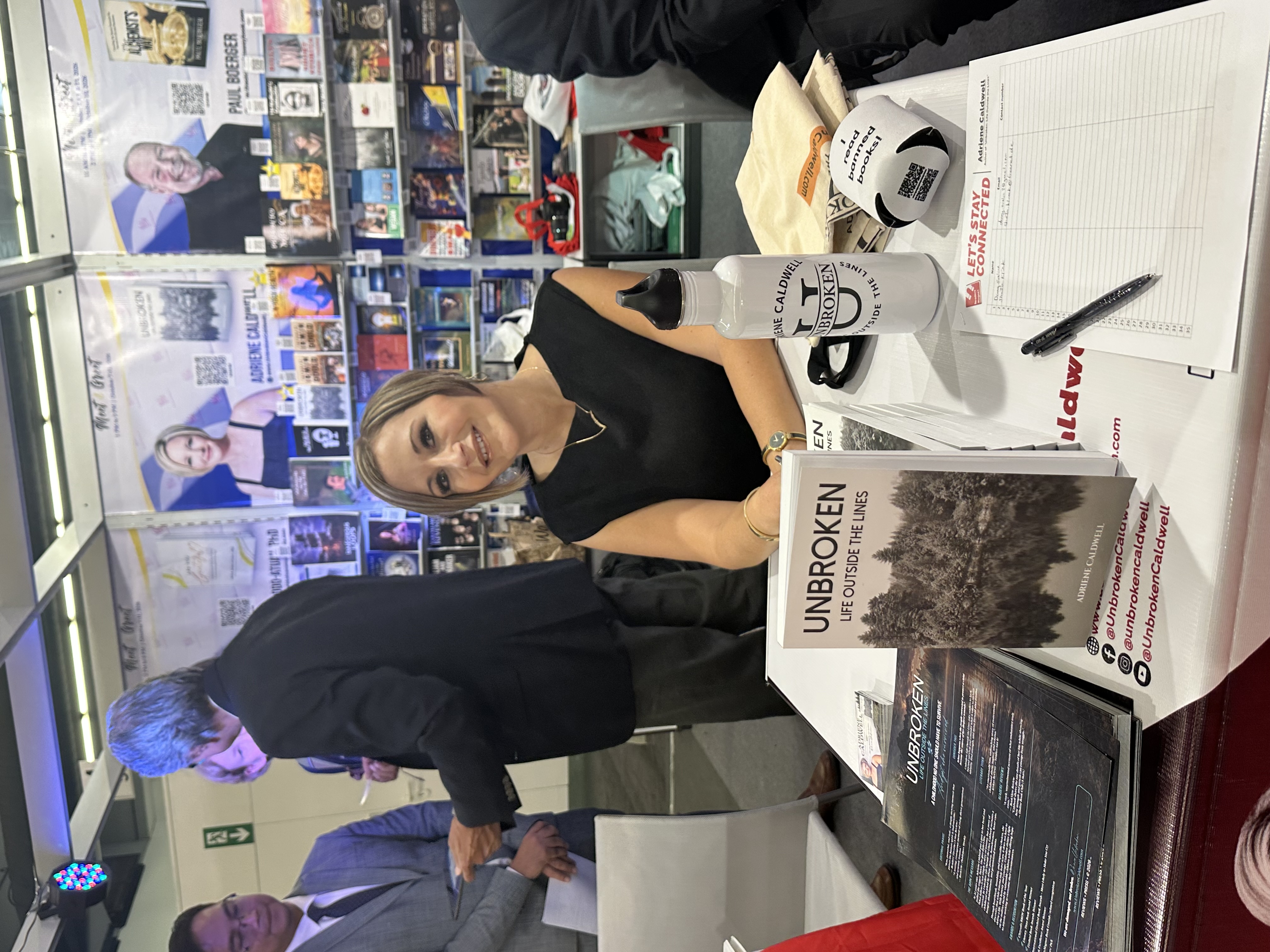
Adriene Caldwell, author of Unbroken: Life Outside the Lines, lived that gap from the inside. She entered foster care after a childhood shaped by untreated mental illness in the home, physical and sexual abuse, and a family that could not hold itself together. Her memoir is not a policy document, but it offers something a training manual rarely can: the unfiltered child's perspective on what it felt like to need care and not quite trust it.
What trauma informed care actually means day to day
Trauma informed care is a framework built on one central recognition: a child who has been abused or neglected is not simply a child with behavioral problems. Their responses, including withdrawal, defiance, hypervigilance, and emotional outbursts, are adaptations. They worked once. In a new, safer home they can look like ingratitude or manipulation, but they are closer to muscle memory.
In practice, trauma informed parenting means interpreting behavior through that lens before reacting to it. A child who hoards food is not being greedy; they learned that food was unreliable. A child who flinches at a raised voice is not being dramatic; they learned that raised voices preceded harm. A child who refuses to attach is not being cold; attachment, in their experience, has always cost something. Knowing the reason behind the behavior does not make it easy to live with, but it changes the response a carer reaches for.
The gap in most training programs

Research and professional consensus have established that foster parents frequently lack trauma informed training, which makes it harder for them to understand and care for the children placed with them. Training programs do important work covering legal responsibilities, placement procedures, and child development milestones. What they cover less often is the subjective experience: what the child is feeling on the first night in a new house, what a well-meaning carer's cheerfulness can inadvertently communicate, and why a child might behave worse, not better, once they begin to feel safe.
That last point catches many foster parents off guard. When a child's behavior deteriorates after a period of apparent calm, it is sometimes a sign that they feel secure enough to test the limits, to find out whether this home will also eventually fail them. A carer who has only procedural training may read that as a placement breaking down. A carer with a fuller picture reads it as a turning point. Training length and content vary by state and agency, so it is worth asking your program coordinator specifically what trauma informed material is included, and what is not.
What a survivor's memoir adds to formal training

Mental health professionals, counselors, social workers, and training coordinators often look for educational material on childhood trauma that goes beyond clinical summaries. First-person accounts fill a specific role: they make the data personal. When a trainee reads that untreated mental illness in a home creates instability for children, that is an abstract fact. When they read Adriene Caldwell describing her mother's increasing instability and what it felt like to be the only person her baby brother Joshua could rely on, the fact becomes a child.
Readers of Unbroken: Life Outside the Lines have reflected that response directly. April Gonzales, an intern in the TTUHSC Psychiatric Mental Health Nurse Practitioner graduate program, wrote to Caldwell: "I just wanted to tell you thank you again for sharing your story with me, it truly helped me decide the path I want to take as an NP." That kind of effect, a memoir shaping a professional's vocational direction, is not something a checklist produces.
Kimberly Christoffersen noted that the book "has the potential of books like Educated and The Glass Castle," a comparison that speaks to both its literary quality and its capacity to reach readers who are not yet trauma professionals but are open to being changed by what they read.
A practical checklist for trauma informed foster parents
The following suggestions draw on what trauma informed care frameworks generally recommend and on what survivors of foster care and abuse consistently describe as meaningful. They are offered as starting points, not a complete protocol.
Interpret behavior before correcting it: ask what need or fear might be driving it, not just what rule it breaks.
Keep routines predictable. For a child whose early life was chaotic, a consistent mealtime carries more safety than it might appear to.
Avoid sudden physical gestures around a child you do not yet know well. What reads as warmth to you may read as threat to them.
Let the child set the pace for affection and closeness. Pushing connection before they are ready can reinforce the belief that adults take what they want.
When behavior worsens after a period of calm, consider that it may signal growing trust, not a failing placement.
Learn the difference between a child who is defiant and a child who is terrified. The outward behavior can look identical.
Seek out first-person accounts alongside procedural training. A survivor's memoir can supply the perspective that a manual cannot.
A hypothetical example: the first week

Consider a hypothetical ten-year-old placed with a new foster family. On day one she is polite, cooperative, and quiet. By day five she is refusing meals, pushing back on bedtime, and has had two meltdowns. A carer reading only the surface sees a child who has stopped trying. A trauma informed carer recognizes something different: the child has lowered her guard enough to feel the fear she was holding in.
The goal in that first week is not compliance; it is safety. That means responding to the meltdown with steadiness rather than consequences, naming emotions without demanding the child explain them, and not withdrawing warmth when the behavior is hardest to meet with warmth. None of this is instinctive. It is a learned skill, and it is learned faster when the carer has some understanding of what it felt like to be that child.
How does childhood trauma affect the brain?
Childhood trauma, particularly when it is repeated and occurs within the family, affects the developing brain in ways that persist long after the events themselves. The brain's stress response systems, particularly those governing threat detection, are shaped by early experience. A child raised in an environment where danger was unpredictable learns to stay alert. That alertness does not simply switch off when the child moves to a safer place.
The result is a nervous system calibrated for threat even in its absence: heightened reactivity, difficulty with emotional regulation, trouble trusting adults, and sometimes a flattened affect that can look like indifference. These are not character traits. They are the brain doing what it learned to do. Trauma informed care works with that reality rather than against it, and understanding it is the foundation of everything a foster parent is asked to do.
Reading that prepares you for the child, not just the placement

Adriene Caldwell wrote Unbroken: Life Outside the Lines for survivors, but the book has found readers in professionals and future carers too, people who want to understand what a child inside the system actually carries. BookLife/Publishers Weekly described it as "a searing, courageous memoir of rising above generational and systemic trauma," and Readers' Favorite called it a book that "will give hope and possibility" to anyone who feels lost or alone.
For foster parent training programs looking to bring the child's perspective into their curriculum, or for prospective carers who want more than procedures, the memoir sits alongside formal training in a way few other resources can. It does not replace a training course. It fills the space a course cannot reach.

Comments