Why Trauma Survivors Feel So Alone, and Why Shame and Self-Blame Follow

If you are a trauma survivor who feels alone, that feeling is one of the most common aftereffects of childhood abuse and neglect, and it is also one of the least talked about. The isolation is not a character flaw. It is a predictable response to experiences that were real, serious, and often kept secret for years.
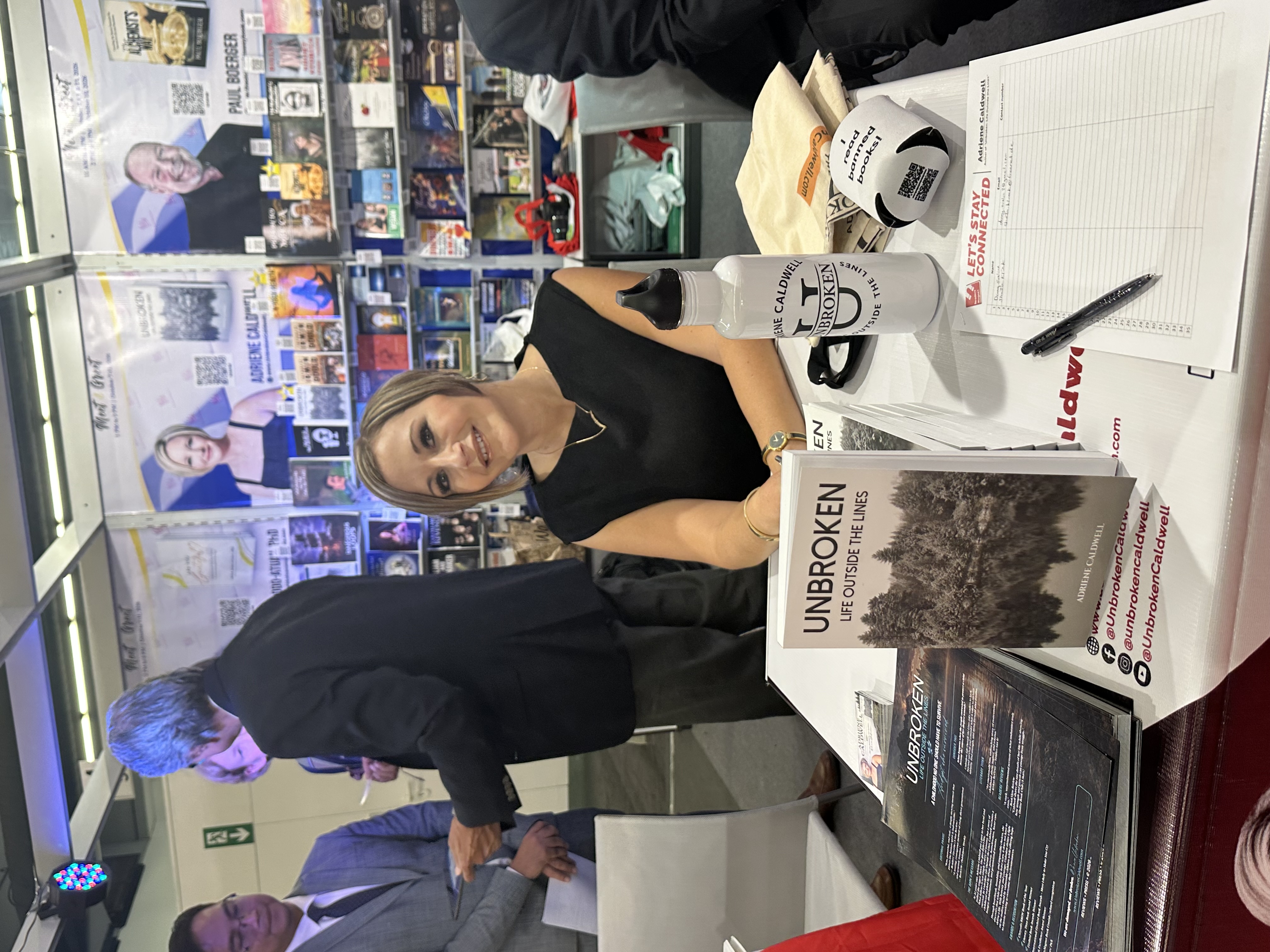
Adriene Caldwell, author of Unbroken: Life Outside the Lines, writes from inside that experience. Her memoir covers childhood neglect, physical and sexual abuse, and traumatic foster care. The pain points survivors bring to her story follow a pattern: the shame that does not lift, the self-blame that outlasts the harm, the sense of being stuck. This article works through each of those, drawing on what survivors share and what Adriene's story reflects back to them.
Why trauma survivors feel alone

Survivors of childhood trauma often cannot find stories that reflect what they lived through. When no one around you names what happened, or when the people who caused the harm were the ones who were supposed to protect you, the silence becomes its own message: that what happened was too strange, too bad, or too shameful to say aloud. That silence grows into isolation.
Adriene Caldwell describes this dynamic directly in her work. Her memoir follows her from a childhood shaped by her mother's untreated mental illness, through abuse, through foster care, and out the other side. Readers who come to that story often say it is the first time they have seen their own experience reflected. The sense that no one else has lived through something similar is part of what keeps survivors isolated, not a sign that the isolation is permanent.
What shared stories actually do
Connecting with others who have been through similar experiences shifts something that explanation alone cannot. It is the difference between being told you are not alone and actually seeing someone else's story and recognising it. Salisa Brown, a reader of Unbroken: Life Outside the Lines, put it plainly: "This message needs to get out there to as many people as possible. This gives hope to people in the same situation."
Elena Turner described what Adriene's directness made possible: "Your openness and unashamed honesty in connecting with fellow survivors is truly commendable." That response points to something specific. When a survivor speaks without shame about what happened, it gives other survivors permission to do the same. The community that forms around honest, unguarded storytelling is not incidental to healing. For many survivors, it is where healing becomes imaginable.

Why do trauma survivors feel shame?
Shame after childhood trauma is almost universal, and it follows a logic that makes sense from the inside even when it looks wrong from the outside. When a child is harmed by a caregiver, the mind often protects itself by locating the cause of the harm in the child rather than the adult. If the problem is something the child did or is, then the world still has order. That conclusion is false, but it is laid down early and it is stubborn.
Shame also lives in secrecy. When abuse is not named, when no one in the child's world acknowledges what is happening, the silence confirms that the child is carrying something too bad to speak. That confirmation gets carried into adulthood. Survivors often describe feeling as though they would be judged or disbelieved if they told the truth, which keeps the shame circulating long after the original harm has stopped.
Why do trauma survivors blame themselves?
Self-blame is closely related to shame but slightly different. Where shame says "I am bad," self-blame says "I caused this." Both are distortions, but self-blame often emerges as a way of holding onto a sense of control. If a child believes they caused the abuse, they can also believe they could have stopped it, or that they can prevent it next time. That belief is painful, but it is less terrifying than the alternative: that the harm came from outside and there was nothing to be done.
In Unbroken: Life Outside the Lines, Adriene Caldwell does not pull back from the moments where she turned responsibility toward herself. BookLife/Publishers Weekly noted that her memoir is built on "fierce introspection" and "Caldwell's refusal to wallow in victimhood," while still letting each moment of suffering speak honestly. That combination, acknowledging the harm while also examining the survivor's inner response, is what makes the book useful to readers who are working through their own self-blame.
Why do trauma survivors self-sabotage?
Self-sabotage is one of the most confusing patterns for survivors and for the people close to them. It often looks like making choices that undo progress: leaving a stable situation, pushing away support, or behaving in ways that confirm the negative beliefs laid down in childhood. The underlying mechanism is usually not a conscious decision. It is the nervous system acting on what it learned early: that safety is temporary, that good things end, and that the survivor is not someone who gets to stay.
Consider a hypothetical example. A survivor finally secures steady housing and a supportive friendship group, then picks a fight that collapses both. From the outside it looks like a failure of judgment. From the inside it may feel like relief, because the dreaded loss has arrived on their own terms rather than someone else's. Naming this pattern for what it is, a learned response rather than a personality defect, is one of the first moves toward changing it.
Why do trauma survivors overshare?
Oversharing can look like the opposite of isolation, but it often comes from the same place. When a survivor has spent years keeping a secret, the relief of finally being heard can tip into disclosing more than the moment calls for. It can also be a way of testing safety: if I tell you the worst thing, will you leave? Getting an answer to that question quickly, even at social cost, can feel urgent when you have never known whether relationships are reliable.
Oversharing is not a flaw in the person; it is information about what was missing. When survivors find spaces where honest disclosure is met with steadiness rather than rejection, the urgency tends to ease. That is part of what Adriene Caldwell has built through her blog and direct engagement with readers: a place where survivors can speak plainly and hear plainly in return.
What survivors say when they find the story

Reader responses to Unbroken: Life Outside the Lines give a concrete picture of what recognition does. Priscillah Bancy wrote: "Literally one would think that some of this is fiction because no one would want to believe that life can be this cruel. No one can accuse you of making anything up cause you got receipts. My jaw was on the floor for most of the book. I inhaled this book and didn't want it to end. Worth the read." That reaction, disbelief followed by absorption, is common when a survivor encounters a story that holds nothing back.
April Gonzales, an intern in the TTUHSC Psychiatric Mental Health Nurse Practitioner graduate program, wrote to say that Adriene's story helped her decide the direction of her clinical work. The book reaches survivors directly and shapes how the people who support them understand what survival actually looks like.
A practical checklist for survivors and those supporting them
These are not steps toward a cure. They are small recognitions that can interrupt the worst of the isolation cycle, drawn from what survivors describe finding useful when shame and self-blame are loudest.
Name what you are feeling as a response, not a character trait: "I am carrying shame" rather than "I am shameful."
Look for accounts by survivors who do not resolve their story too quickly. Stories that sit in the difficulty first tend to do more than ones that move straight to triumph.
Notice when self-blame is doing a job, usually providing a sense of control over something that felt uncontrollable. You do not have to agree with it to understand why it is there.
If oversharing happens, treat it as information rather than embarrassment. It points to where you still need a steadier response than you have reliably received.
Find at least one place where honest disclosure is met without alarm. A book, a blog, a community, a therapist, any space where someone else has already said the hard thing.
If you are a social worker, foster parent, or training for either: read a first-person survivor account alongside clinical material. The two do not compete. They fill different gaps.


Comments